
Staten Island, NY
Demolition Contractor on Staten Island
What stands on the lot, and what is left after. Our address is on this island, and we come and look at the property before we quote it.
- Licensed
- Insured
- Serving Staten Island
or leave your details
Our address
4052 Amboy Rd
Staten Island, NY 10308
Our address is on Amboy Road, and we work across the whole island. We come out and look at the property before we quote it.
The work we take on
Four services, and one job on this island often needs more than one of them.
-
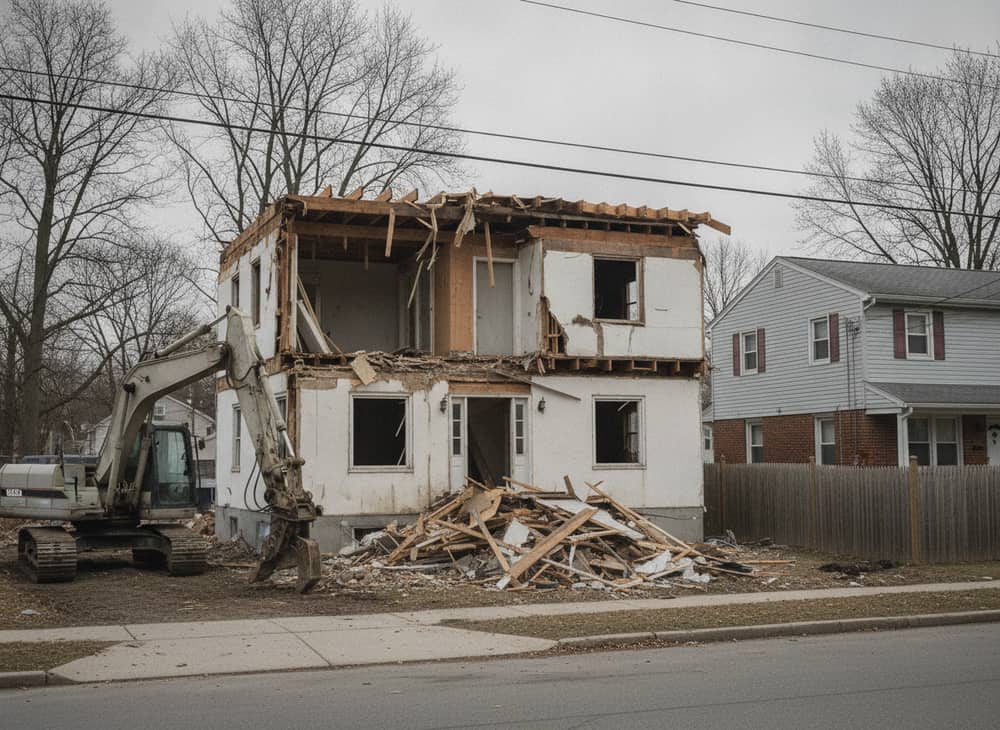 Building Demolition
Whole structures taken down in a controlled sequence rather than pulled over, then cleared off the lot. Residential and commercial.
More on building demolition
Building Demolition
Whole structures taken down in a controlled sequence rather than pulled over, then cleared off the lot. Residential and commercial.
More on building demolition
-
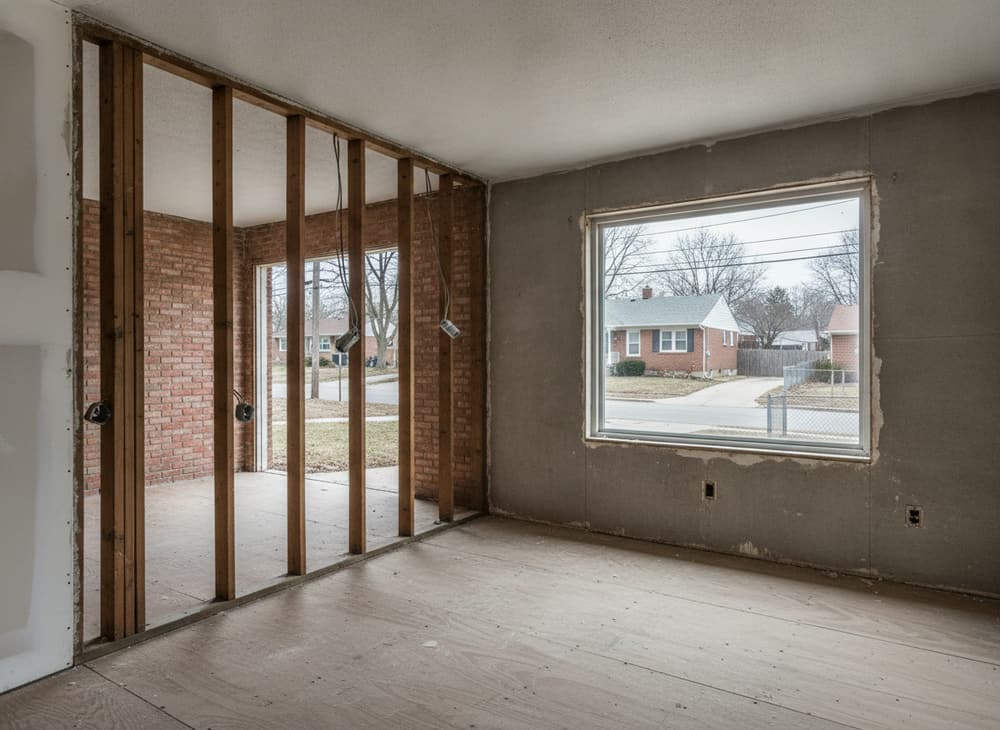 Interior Demolition
Kitchens, bathrooms, partitions, flooring and ceilings out, with the frame and the live services left intact.
More on interior demolition
Interior Demolition
Kitchens, bathrooms, partitions, flooring and ceilings out, with the frame and the live services left intact.
More on interior demolition
-
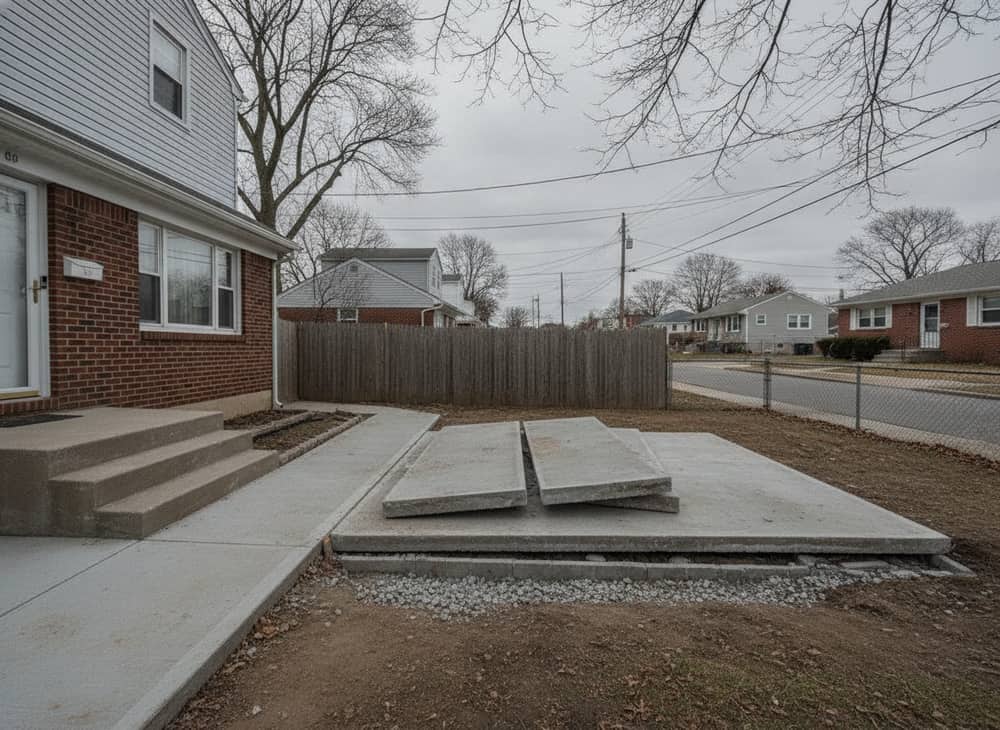 Concrete Removal
Driveways, slabs, footings, steps and patios broken out and carried off, with the ground left ready for whatever goes back.
More on concrete removal
Concrete Removal
Driveways, slabs, footings, steps and patios broken out and carried off, with the ground left ready for whatever goes back.
More on concrete removal
-
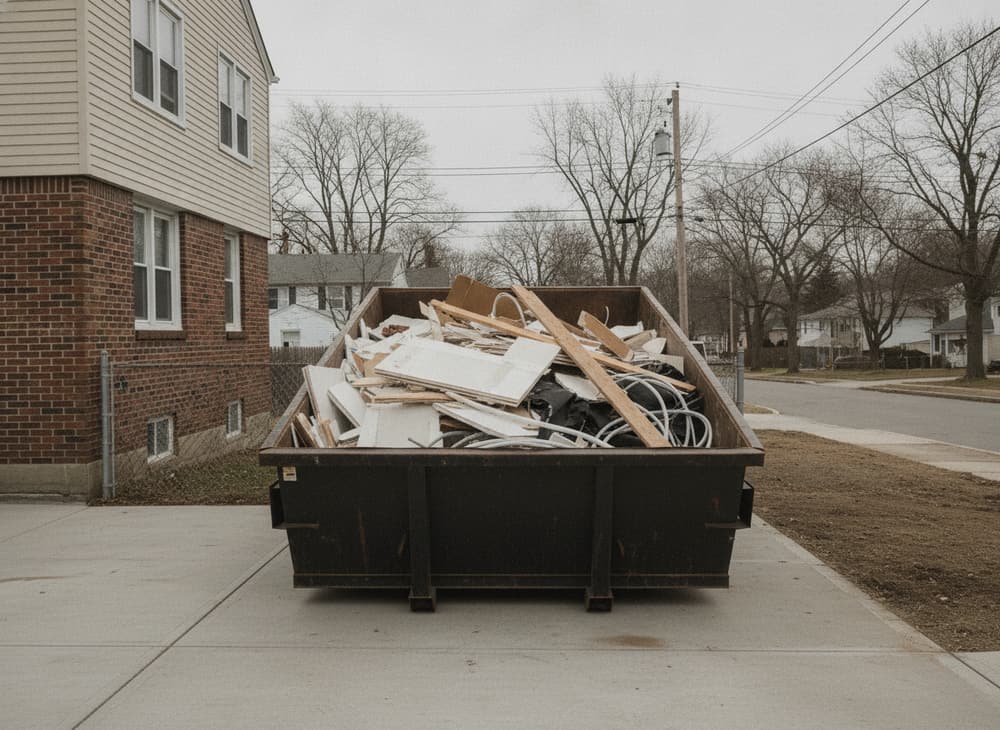 Debris Removal
The material off the property and the site handed back clean. Available on its own, whoever did the demolition.
More on debris removal
Debris Removal
The material off the property and the site handed back clean. Available on its own, whoever did the demolition.
More on debris removal
Tell us what needs to come out.
Describe the property and we will tell you what the job involves. We come and look before we quote.
What the lot decides, and what the building decides
A shared wall, or a lot with nothing attached to it.
Two property conditions come up on this island, and which one you have changes the method more than the size of the building does: a house standing free on its own lot, or a semi-attached house sharing a wall with the one beside it.
A shared wall is structural for both houses, so it settles the method before anything else does. It stays standing. We support it while the rest comes off it, and we close it up before we leave. A house with nothing attached to it moves the whole question outward to the ground around it. Where the house stands free, there is usually room to work, so the constraints move from the neighbour through the wall to the driveway, the trees, the setback and what the ground is doing underneath.
The ground is not one kind either. The island’s high ground runs through the middle and the north, and the south end sits below it, so two lots the same size can need different machinery and a different route out for the material.
What a demolition on this island usually is
Three figures that describe this borough’s demolition work rather than anybody’s opinion of it.
185
demolition permits, 2025
Applications filed on Staten Island last year, 15.7 percent of the 1,177 across the whole city.
104
of the city’s 399 residential buildings
More of New York City’s residential demolitions happened here in 2025 than in Brooklyn or the Bronx.
1.06
units per building demolished
Those 104 buildings held 110 homes. Elsewhere a demolished building is an apartment building. Here it is a house.
New York City Rent Guidelines Board, 2026 Housing Supply Report, appendices 9 and 10, from Department of Buildings and Department of City Planning data. Borough counts, not a record of our own work.
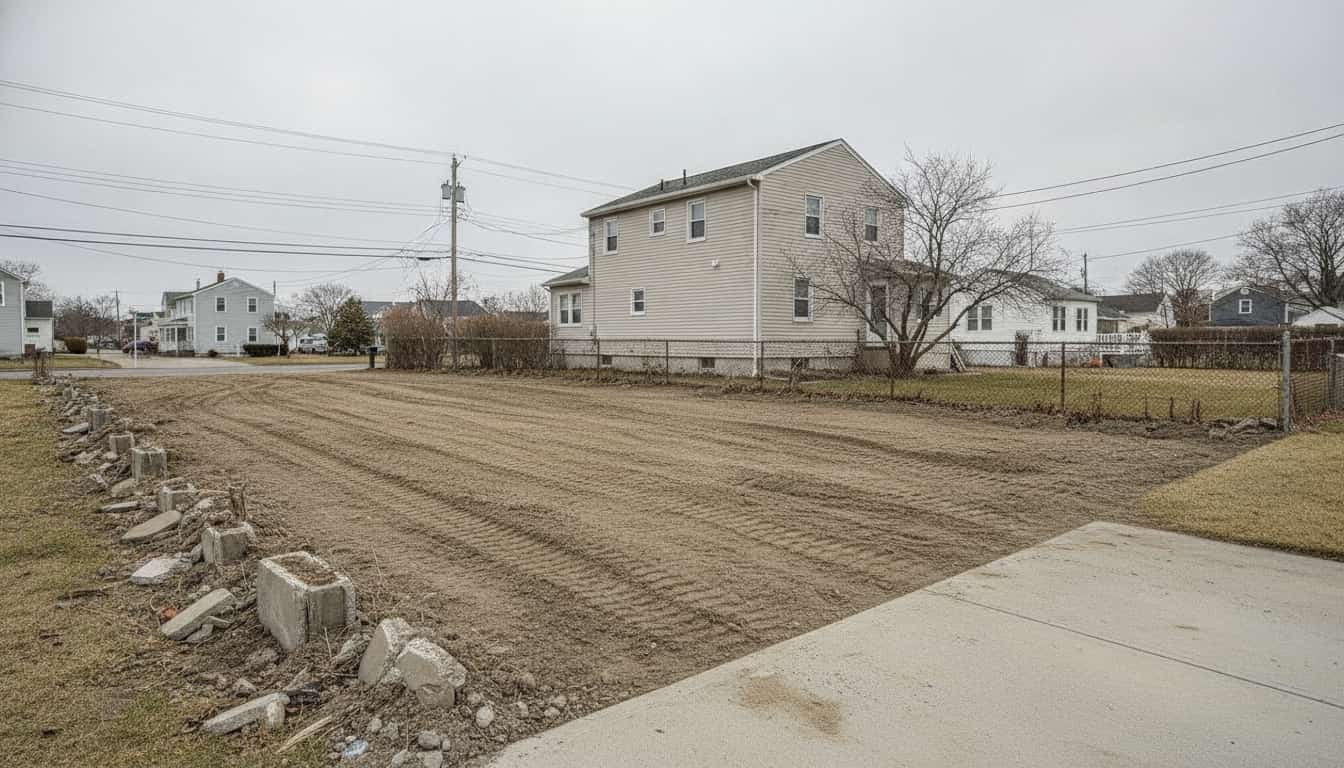
A demolition is finished when the ground is clear
Nothing left to trip the next trade, and a surface something can be built on. We plan that half of the job from the start and quote it with the rest.
How a job runs
The same four stages whether it is one bathroom or a whole structure.
-
We come and look
What is standing, what is holding it up, what is running through it, and how machinery and trucks reach the lot. This is the visit that turns a description into a figure.
-
We agree the scope
You get a number and a plain description of the work it covers, before anything starts, so there is no argument later about what was included.
-
We protect and prepare
The services are confirmed dead, the driveway and the route out are protected, and anything staying up gets supported before anything comes down.
-
We take it out and clear up
The material leaves as the work goes rather than stacking in the driveway, and the ground goes back level and clear.
What decides the price, and what decides the date
Two different questions, and they rarely have the same answer.
What is coming out
Volume and material. Concrete is heavy, plaster is dusty and slow, and old footings often run wider than the walls did. This is most of the price.
How it leaves
One driveway, one route across the lot, and a fixed number of truck movements a day. Access is the single biggest swing on a job that is otherwise identical.
What has to stay
A shared wall, a boundary, a driveway surface, a tree. Supporting and protecting what stays is planned work, and it is usually what sets the date rather than the price.
Not sure which of these your job is?
Describe what is standing and what you want gone, and we will tell you which job it is and what it involves.
Where we work
Breakara Demolition works across all five New York City boroughs, Staten Island included.
Not only this island. Breakara Demolition covers the whole city.
Questions we get asked
Do you take the debris away as well?
Yes. Clearing the material is part of the job unless you tell us otherwise.
We also do it on its own, for owners whose demolition is already finished and who have been left with the pile.
Do I need to be out of the house while you work?
It depends on the job. A whole structure coming down means the property is empty and the services are off before we start.
An interior strip-out often happens with the family still living there, and it gets planned around that. We tell you which one your job is, and what it means for you, before anything starts.
Do you take small jobs?
Yes. A single room stripped back is a job, and so is a whole structure. One driveway is a job.
The size of the job matters less than the access, the structure and what has to stay standing around it, and those are the things we look at first.
Do you work anywhere other than Staten Island?
Yes. Breakara Demolition works across all five New York City boroughs.
Tell us what is coming down
Describe the property and what you want gone. We come and look before quoting.